Why Momentum Learning?
In my years as a classroom teacher, I saw over and over how students were impacted by falling behind in reading. Many of my fifth-grade students were two or three grade levels behind in reading. They struggled to keep up with their math assignments, avoided reading aloud in class, and lacked the confidence they needed to become stronger readers.
My students were far from alone. Nearly 70% of fourth graders read below a proficient level.
I know that early intervention is critical to student success, and I’m here to help. With the Speech-to-Print approach, I help kindergarten through third-graders quickly build strong foundational decoding skills. Also known as structured linguistic This research-based method is brain-friendly, efficient, and gets results, helping kids gain the confidence they need to thrive as readers and students.
Because every child deserves to be a confident reader.
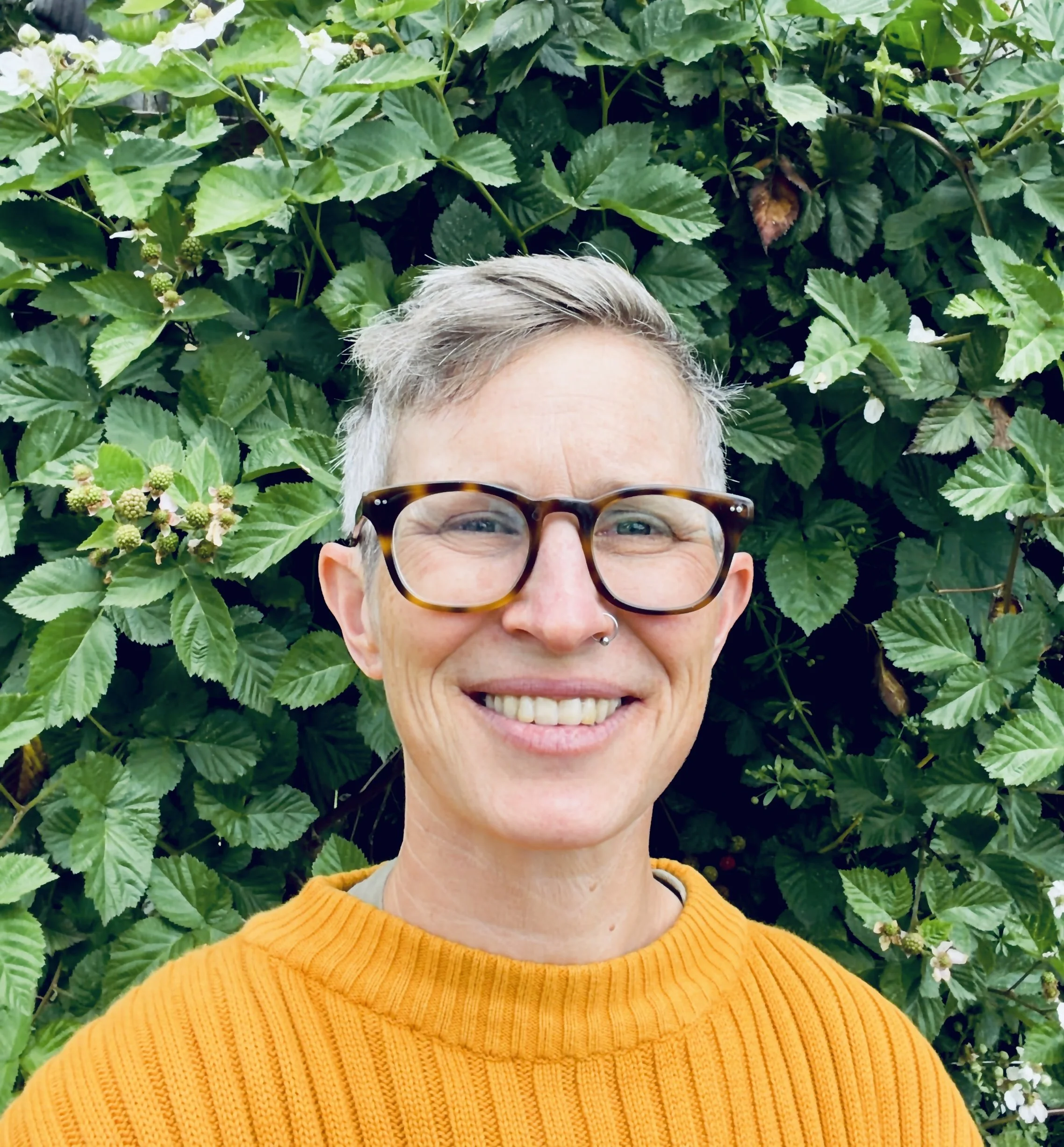
Meet Your Sacramento Reading Tutor—Sarah Barnes
Sarah Barnes is a California state-certified teacher based in the Arden neighborhood of Sacramento. After teaching in the classroom for three years, Sarah turned to informal education, bringing her experience and commitment to engaging, effective learning experiences to build and lead a hugely popular outdoor science education program, growing it from the ground up and teaching thousands of Sacramento students about the natural world through hands-on lessons in the classroom and out in nature. Her passion for learning has led her to bring science-backed literacy instruction to young readers to grow their skills and confidence.
Because when experience meets passion, your child gets a dedicated guide who knows how to unlock their full potential.
Why the Speech-to-Print Method?
The Speech-to-Print, or structured linguistic literacy, approach leverages the human brain’s wiring for oral language to “crack the code” of English for new readers. This means we start with the sounds your child already knows how to make when they speak, and then connect those sounds to letters on the page. This method builds a stronger foundation than other approaches, helps children read and spell accurately, and leads to faster progress—especially for kids who have struggled with traditional phonics. It's backed by research and is effective for children with dyslexia or those who just haven't clicked with the way reading is typically taught in school. Learn more about it in this video from EBLI.
Because the right foundation teaches your child to read and gives them the tools to love it.